
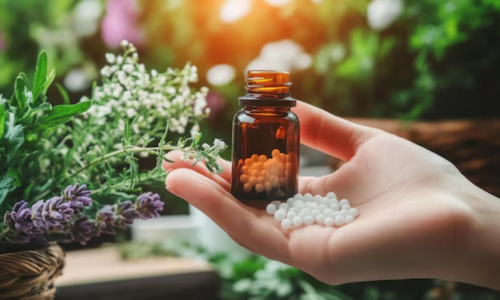
Homeopathic Treatment: Benefits, Uses, and How It Compares with Allopathy
Homeopathic treatment is increasingly chosen by patients seeking a gentle, natural, and holistic approach to healthcare. While conventional allopathic medicine focuses on controlling symptoms quickly, homeopathy aims to stimulate the body’s natural healing response by addressing the root cause of illness. This difference in philosophy often leads patients to ask an important question: Which treatment approach is right for my condition?
This detailed guide explains what homeopathic treatment is, how it works, the conditions it is commonly used for, its benefits and limitations, and how it compares with allopathy, helping you make an informed decision based on your health needs.
What Is Homeopathic Treatment?
Homeopathic treatment is a system of medicine developed in the late 18th century, based on the principle of “like cures like.” This means that a substance that causes symptoms in a healthy person may be used—in highly diluted form—to treat similar symptoms in a sick person.
Rather than targeting a disease name alone, homeopathy considers:
-
Physical symptoms
-
Emotional state
-
Mental patterns
-
Lifestyle factors
-
Individual sensitivity
Because of this personalized approach, two people with the same diagnosis may receive different remedies.
How Homeopathic Treatment Works
Homeopathy works by stimulating the body’s self-regulatory and healing mechanisms. Remedies are prepared through serial dilution and potentization, which reduces toxicity while preserving therapeutic action.
The goal is not to suppress symptoms, but to:
-
Encourage natural healing
-
Improve immune response
-
Restore internal balance
-
Reduce recurrence of illness
This approach makes homeopathy especially appealing for chronic and lifestyle-related conditions.
Common Conditions Treated with Homeopathy
Homeopathic treatment is widely used for both acute and chronic conditions, including:
1. Skin Conditions
-
Acne
-
Eczema
-
Psoriasis
-
Chronic rashes
Homeopathy focuses on internal imbalance rather than surface symptoms alone.
2. Hair Fall and Scalp Disorders
-
Hair thinning
-
Dandruff
-
Premature hair loss
-
Scalp infections
Treatment is tailored to hormonal, nutritional, or stress-related causes.
3. Allergies and Respiratory Issues
-
Allergic rhinitis
-
Dust and pollen allergies
-
Recurrent sinusitis
Homeopathy aims for long-term relief without dependency.
4. Digestive Problems
-
Acidity
-
IBS
-
Constipation
-
Food intolerance
5. Hormonal Imbalance and PCOS
-
Irregular periods
-
PCOD/PCOS
-
Thyroid-related symptoms
Homeopathic remedies work gradually to regulate hormonal function.
6. Pediatric and Geriatric Care
Gentle remedies make homeopathy suitable for children and older adults.
Benefits of Homeopathic Treatment
Individualized Care
Treatment is customized to the individual, not just the disease.
Natural and Gentle
Homeopathic remedies are non-toxic and generally well tolerated.
Long-Term Symptom Control
Focuses on reducing recurrence rather than temporary relief.
Minimal Side Effects
When prescribed correctly, adverse effects are rare.
Supports Overall Well-Being
Addresses emotional and mental health along with physical symptoms.
Understanding Allopathy: The Conventional Medical Approach
Allopathy, or conventional medicine, focuses on:
-
Diagnosing diseases based on clinical tests
-
Treating symptoms with pharmaceuticals
-
Providing rapid relief in acute or emergency situations
It is highly effective for:
-
Infections
-
Trauma
-
Surgery
-
Life-threatening conditions
However, long-term medication use may sometimes involve side effects or dependency.
Homeopathic Treatment vs Allopathy: Key Differences
Treatment Philosophy
-
Homeopathy: Treats the person as a whole
-
Allopathy: Treats the disease or affected organ
Speed of Relief
-
Homeopathy: Gradual, long-term improvement
-
Allopathy: Faster symptom control
Side Effects
-
Homeopathy: Minimal when properly used
-
Allopathy: Possible side effects with prolonged use
Chronic Conditions
-
Homeopathy: Often preferred for chronic, recurring issues
-
Allopathy: Focuses on symptom management
Acute and Emergency Care
-
Homeopathy: Limited role
-
Allopathy: Essential and irreplaceable
Which Treatment Is Right for Your Condition?
Choosing between homeopathic treatment and allopathy depends on several factors:
-
Nature of the condition (acute vs chronic)
-
Severity of symptoms
-
Personal health goals
-
Past response to treatments
-
Preference for natural or conventional medicine
Many patients today adopt an integrative approach, using allopathy for emergencies and homeopathy for long-term wellness.
Is Homeopathic Treatment Supported by Evidence?
Homeopathy has mixed scientific acceptance. While large-scale clinical evidence varies, many patients report positive outcomes, especially for chronic and functional disorders.
It’s important to:
-
Consult qualified practitioners
-
Avoid replacing emergency care with alternative medicine
-
Use homeopathy responsibly as part of a broader health plan
Safety Considerations in Homeopathic Treatment
-
Always consult a certified homeopathic doctor
-
Avoid self-medication for serious conditions
-
Inform your doctor about other medications
-
Be patient—results may take time
Responsible use ensures better outcomes.
Why More Patients Are Choosing Homeopathic Treatment Today
Modern lifestyles contribute to stress-related and chronic conditions. Patients increasingly seek:
-
Personalized care
-
Fewer long-term side effects
-
Holistic healing
-
Preventive health support
Homeopathy aligns well with these expectations, making it a preferred choice for many.
FAQs: Homeopathic Treatment
Is homeopathic treatment safe for long-term use?
Yes, when prescribed by a qualified practitioner, it is generally safe for long-term management.
How long does homeopathic treatment take to show results?
Acute conditions may improve quickly, while chronic conditions may take weeks or months.
Can homeopathy and allopathy be used together?
Yes, many patients use both under medical guidance.
Does homeopathic treatment work for children?
Yes, it is commonly used in pediatric care due to its gentle nature.
Is homeopathy effective for lifestyle diseases?
Homeopathy is often used to manage lifestyle-related conditions by addressing underlying imbalances.
Final Thoughts
Homeopathic treatment offers a personalized, gentle, and holistic path to healing, particularly for chronic and recurring health concerns. While allopathy remains essential for emergencies and acute care, homeopathy provides an alternative approach focused on long-term balance and overall well-being.
Understanding the benefits, uses, and differences between homeopathy and allopathy empowers you to choose the treatment path that aligns best with your health goals.